Byzantine Museum
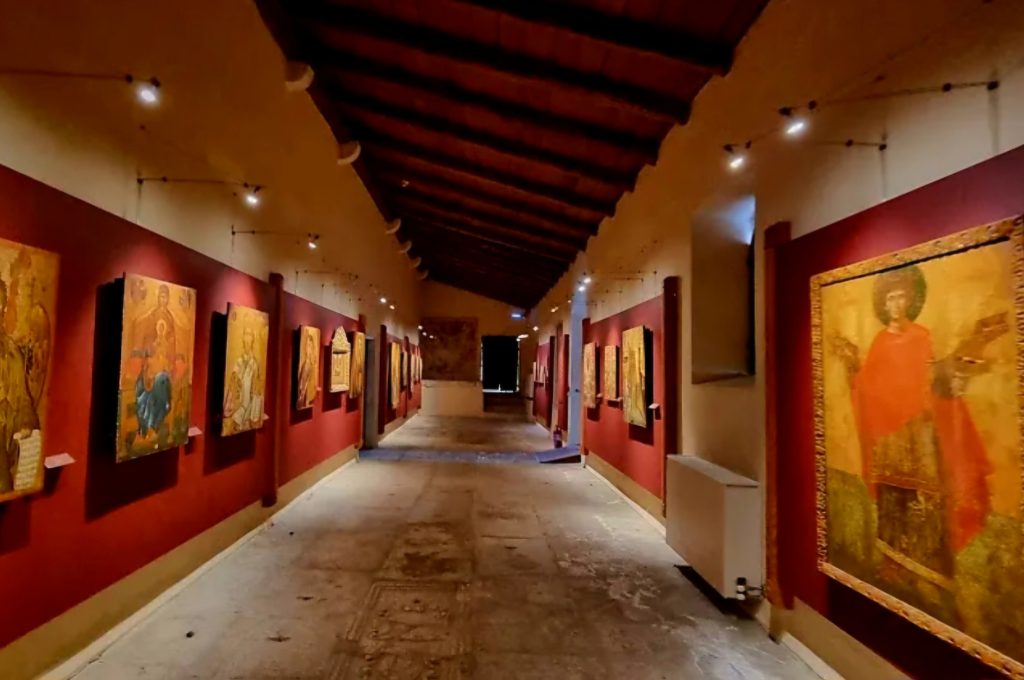
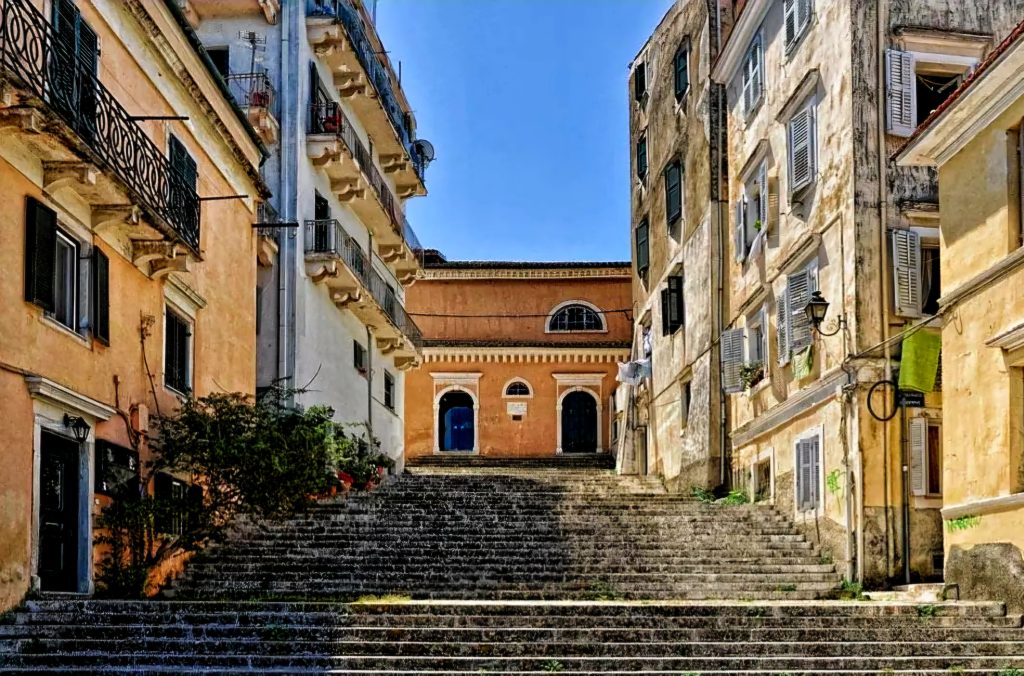
The Byzantine Museum of Corfu is one of the most important Byzantine museums in Greece. It is located near the old town on Arseniou Street, in the ancient church of Panagia Antivouniotissa (15th century) on the ancient Venetian waterfront. For a long time, the church building was privately owned and in 1979 was donated to the state along with all its relics. In 1984, after necessary restoration, the church-museum was opened to the public.
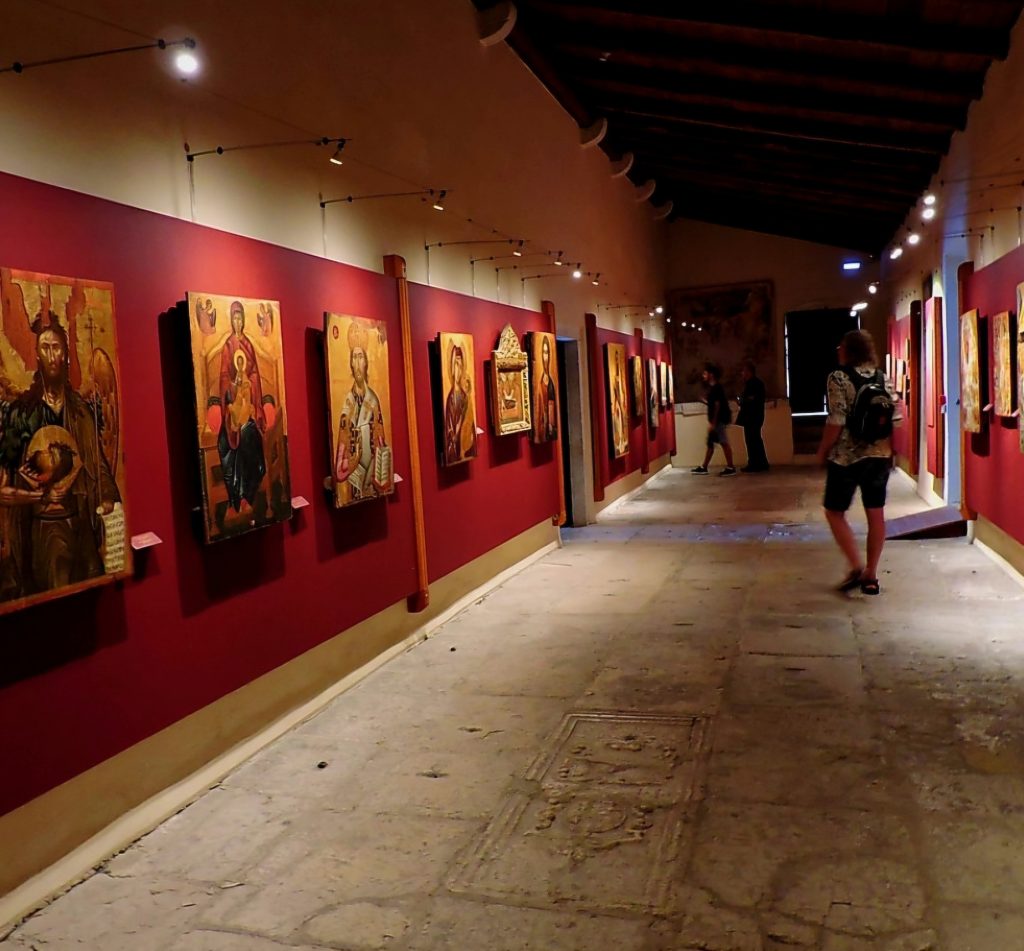
The building is a single-nave basilica with a wooden roof, typical of Corfu architecture of the time.
The museum's collection includes an impressive collection of Byzantine and post-Byzantine icons, both unknown and famous, by iconographers of the 15th-19th centuries, primarily of the Cretan school. The museum also houses magnificent icons by Emmanuel Lombardos. Of particular interest are also masterpieces by Michael Damaskinos, Emmanuel Tzanes, and Michael Avramis. One of the most important exhibits is the altar cloth, brought from Russia and donated to the museum by Nikiforos Theotokis. The Byzantine Museum displays wall frescoes (11th-18th centuries) from various churches on the island of Corfu. The museum also houses family heirlooms of the church's founders, sculptures from the early Christian period, old Gospels, manuscripts, priestly vestments, and much more.