Brief History of Corfu
MAIN STAGES IN THE HISTORY OF CORFU ISLAND.
In ancient times, the island of Corfu was presumably inhabited by the Illyrian people. In the 8th century BC, Eritreans (residents of the city of Eretria from the island of Euboea) landed on the island. In 735 BC (c. 750), residents of the city-state of Corinth landed at Cape Kanoni and founded the ancient city of Hersoupoli. After the Peloponnesian War, in which the island's indigenous population supported Athens (431-404 BC), the island was in ruins, ravaged by numerous pirate raids and war with the Illyrians, leading the islanders to seek protection from the Roman Empire.
ANTIQUITY. From 229 BC. Roman rule.
BYZANTINE PERIOD. 337 – CE. During the Byzantine period, the island was unable to retain even the remnants of its former power; it was constantly attacked by pirates. Particularly devastating raids occurred in the 6th century. One of the most important events of this period was the spread of Christianity. The island was also attacked by Goths and Normans.
In 1147, the ruler of the Kingdom of Epirus (part of the Byzantine Empire) besieged Corfu and liberated the island from the Normans. From 1204 to 1214, the island fell under Venetian control, but in 1214 it was liberated again by the Greek ruler, who was joyfully welcomed by the locals.
SICILIAN PERIOD. 1267 – 1386. Rule of the Sicilians (Andigavi). In 1267, the island came under the rule of Charles I of Sicily (Anjou). This was a time of persecution of the Orthodox faith.
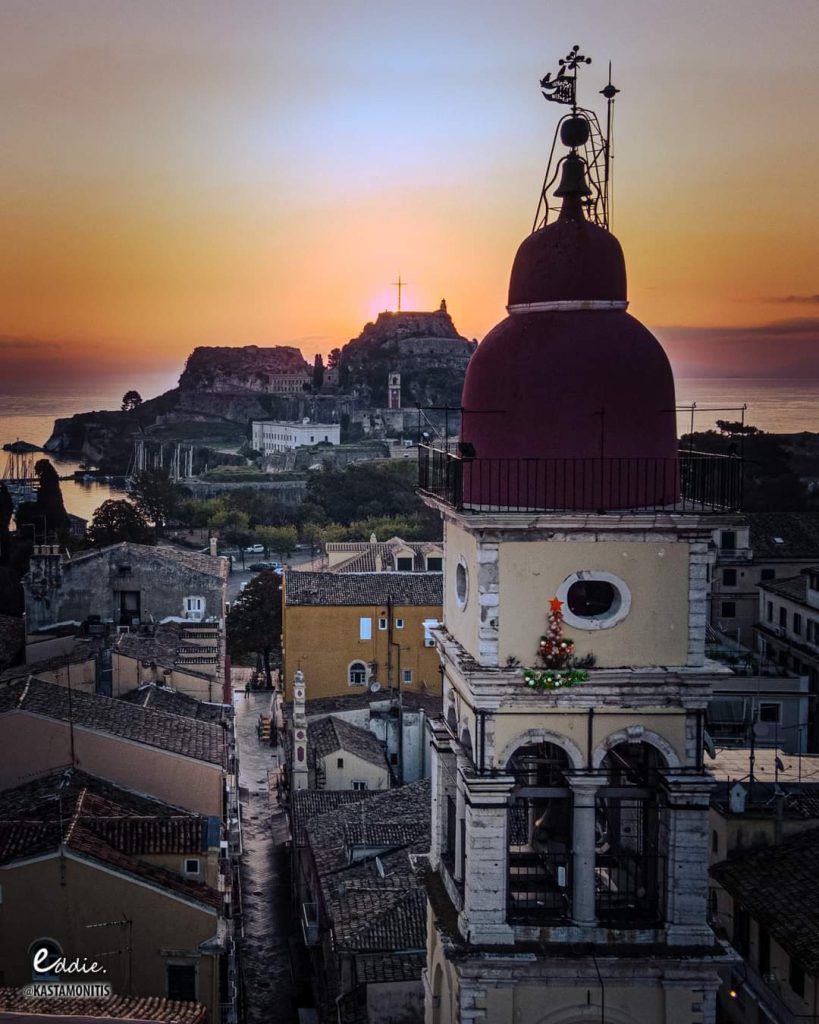
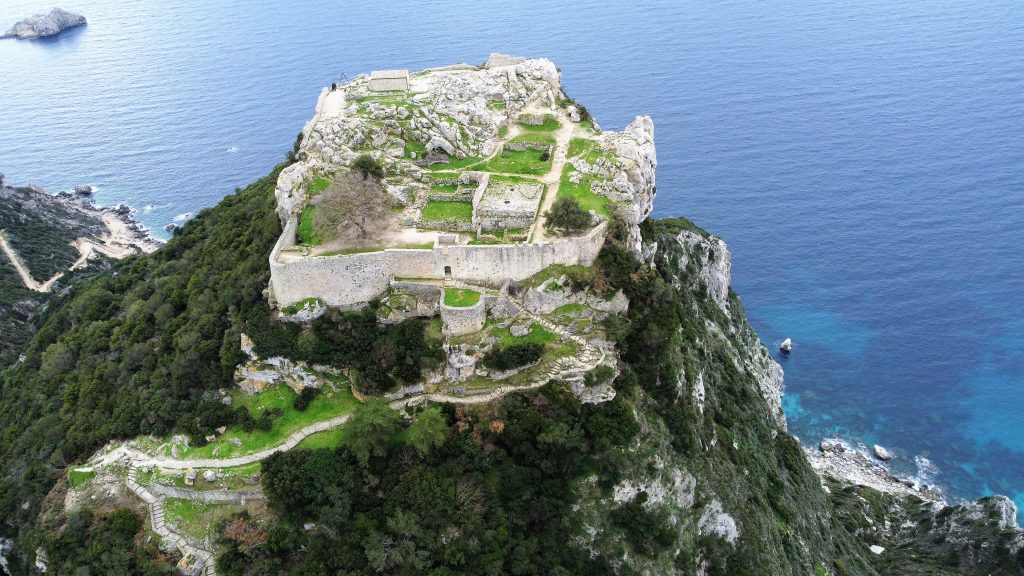
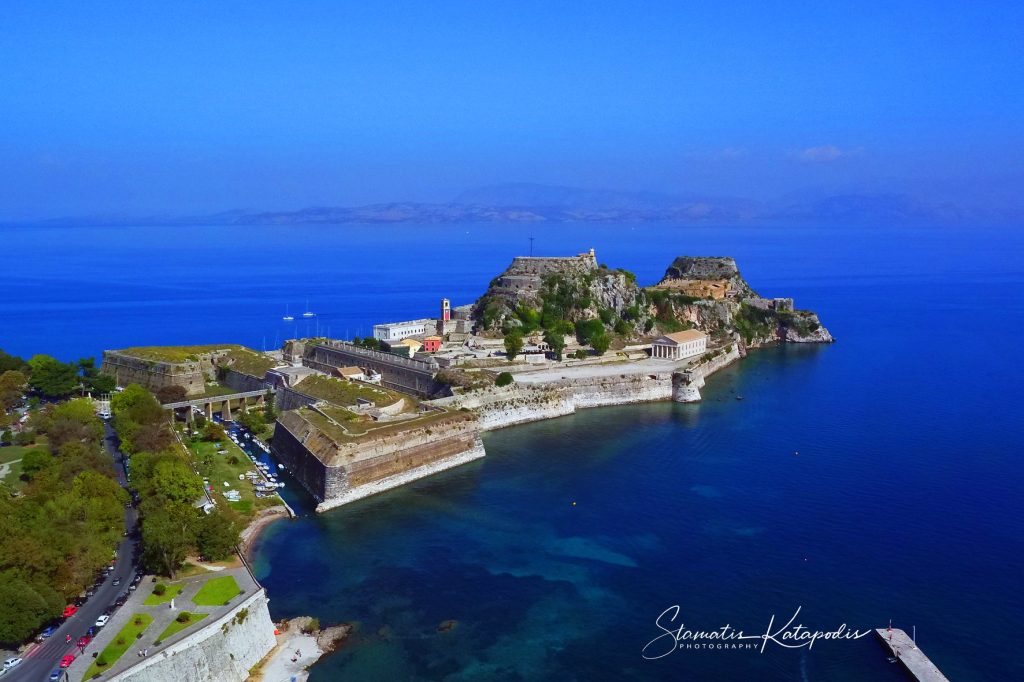
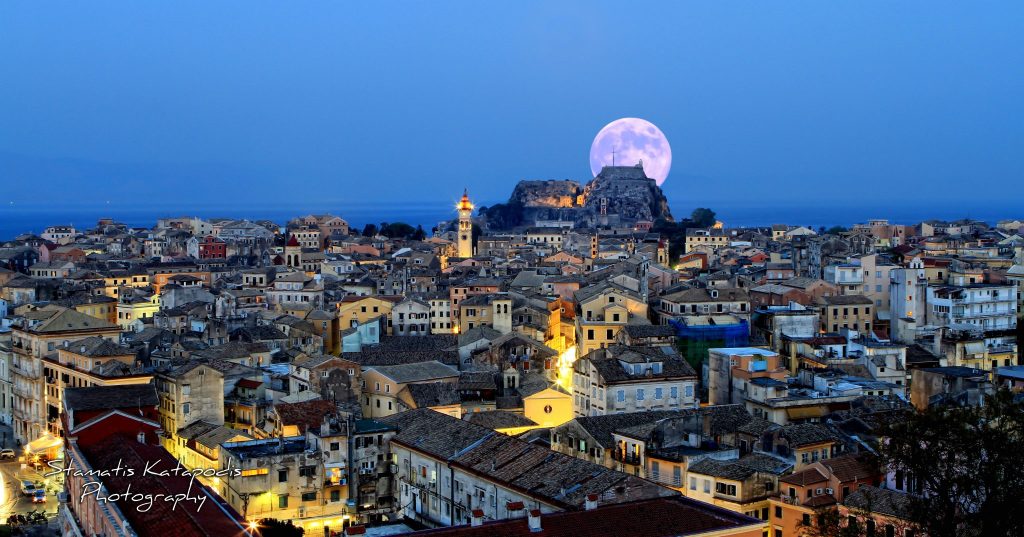
THE VENICE PERIOD. 1386-1797. Tormented by the cruel Sicilian rule, the island's inhabitants almost voluntarily surrendered to Venice. Four centuries of Venetian rule greatly changed the island's appearance. A feudal system was established, and the island was ruled by nobles listed as Libro de Oro. While most of Greece was under Ottoman rule, Corfu maintained a rich cultural life; many artists moved to Corfu from other territories, and Christianity flourished. The Venetians did not openly persecute Orthodoxy. Poor citizens studied in monasteries, while the wealthy had the opportunity to study at Italian universities. The Venetians developed agriculture and planted olive groves. During Venetian rule, the island's capital, a beautiful Venetian town, two fortresses, a powerful fortified wall, and numerous villages were built, all of which remain today.
FRENCH AND RUSSIAN PERIOD. After the defeat of the Venetians, Napoleon Bonaparte sent his general Gentilly to seize the Ionian Islands. From 1797 to 1799, the island belonged to the French. French Republicans burned the aristocrats' book Libro de Oro in the central square, planted a tree of liberty, opened a printing press, and granted rights to the poor. However, they also plundered, looted, burned monasteries, and desecrated Orthodox shrines, causing great resentment among the local population. Therefore, when in 1799 a Russo-Turkish fleet under the command of Admiral Ushakov sailed to the Ionian Islands to liberate them from the French, the inhabitants offered no resistance, and the French were routed. On March 21, 1800, at the initiative of Fyodor Ushakov, Russia and Turkey signed a treaty unifying the seven Ionian Islands into a separate state with its own self-governing body, Gerasia. For the first time in 550 years, the Greek language was granted official status. The Orthodox Church was granted rights, permission to elect Metropolitans, and large financial donations were granted.
1807-1814: Second French rule. In 1807, by the Treaty of Tilsit, the island of Corfu was again ceded to the French. During this period, the French improved economic and social development, built the famous Liston Street, and founded the Institute of Sciences and Arts.
BRITISH PROTECTORATE. 1814-1864. After the fall of Napoleon, representatives of England, Russia, Prussia, and Austria signed an agreement placing the Ionian Islands under British protectorate. The reign of the first English governor, Thomas Maitland, sparked a storm of protests and an uprising. However, the subsequent period of English rule can be considered quite dynamic. A network of roads, a system of reservoirs with an aqueduct, numerous public buildings, and two palaces were built in Corfu.
PART OF GREECE (SINCE 1864). In 1854, the decision was made to incorporate the Ionian Islands into the young Greek state.