Saint Spiridon of Trimfounda
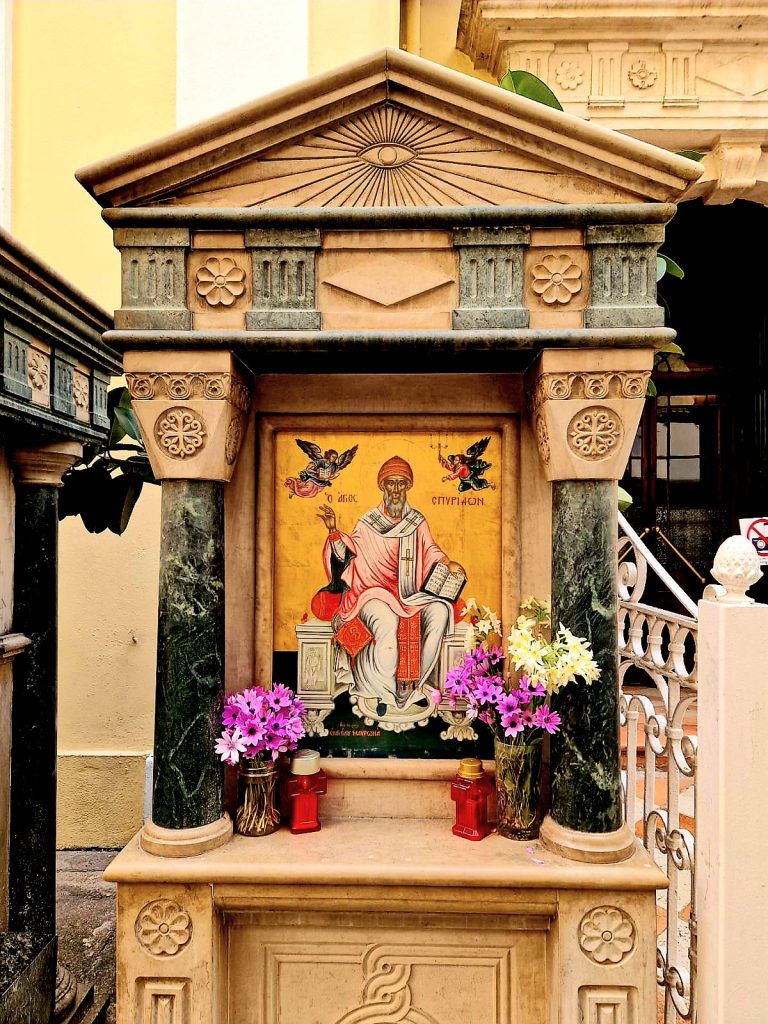
Saint Spyridon of Trimythous was born around the year 270 in Cyprus, in the village of Ask, in the region of Trimythous (now Trimythous is part of the unrecognized state of Northern Cyprus). His parents were simple people. From an early age, young Spyridon was a shepherd, then married, but was widowed early, after which he decided never to marry again and to dedicate his life to God. Later, his only daughter, Irene, also decided to serve God and lived in her father's house. Throughout his life, Spyridon strove to help people; he gave all he had to the poor and strangers. He was meek, humble, and had a sincere love for God in his heart. After the death of the Bishop of Trimythous, Spyridon was appointed Bishop of Trimythous by popular vote. Having become a bishop, the saint continued to help all those in need, doing so with love. teaching everyone how to live, not being seduced by wealth, but thinking only of the soul and the Kingdom of Heaven.
For his righteous life, the Lord rewarded the saint with the gift of miracles. He resurrected, healed, cast out demons, destroyed idols, prayed for rain during drought, stopped rivers through prayers to the Lord, and knew people's secret thoughts and their hidden vices. One of the most famous miracles he performed during his lifetime, described in the Akathist, is the transformation of a snake into gold to help a poor man pay off his debts.
Saint Spyridon, as a bishop, participated in the First Ecumenical Council, which took place in Nicaea in 325. At that time, true Christian believers opposed the adherents of the heresy of Arius (the Arians believed that Christ was not born of God the Father, but was only a perfect creation). The wisest Greek philosophers supported the Arians, who, through their speeches, They ridiculed the teachings of the Orthodox. Then Saint Spyridon of Trimythous, who had arrived late to the council due to numerous temptations on the long journey, decided to speak. The holy fathers present at the council were reluctant to give the floor to a simple, illiterate bishop who lacked the gift of eloquence. Nevertheless, Spyridon began his speech, in which it was not he who spoke, but God Himself through his lips. After this, the Greek sage Eulogius, who was the chief orator among the sages, could not object, but only realized that the power of God had been poured out in the speech of his opponent. Amazed, the philosopher immediately accepted the teachings of Christ and joined the supporters of the holy, true faith.
Then, at the Council of Nicaea, Bishop Spyridon of Trimythous vividly demonstrated the essence of the unity of the Holy Trinity. According to church tradition, he took a brick (or tile) in his hands and squeezed it, then upward A fiery flame burst forth, water flowed down, and clay remained in the saint's hands. "There are three elements, but one plinth (brick)," said Saint Spyridon, "so also in the Holy Trinity—three Persons, but one Divinity." This shocked the majority of the council members; Arius was exiled, and his Arian teaching was declared heretical. At the First Ecumenical Council, Saint Spyridon was joined by Saint Nicholas the Wonderworker of Myra, Saint Apollodorus, Bishop of Corfu, and many other renowned saints and great minds of the era, who defended the Orthodox faith.
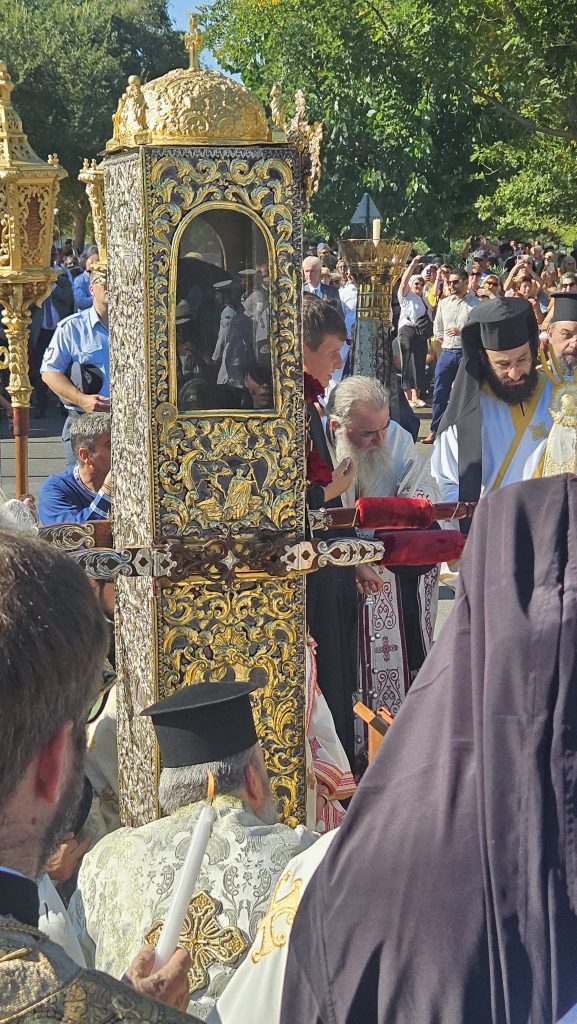
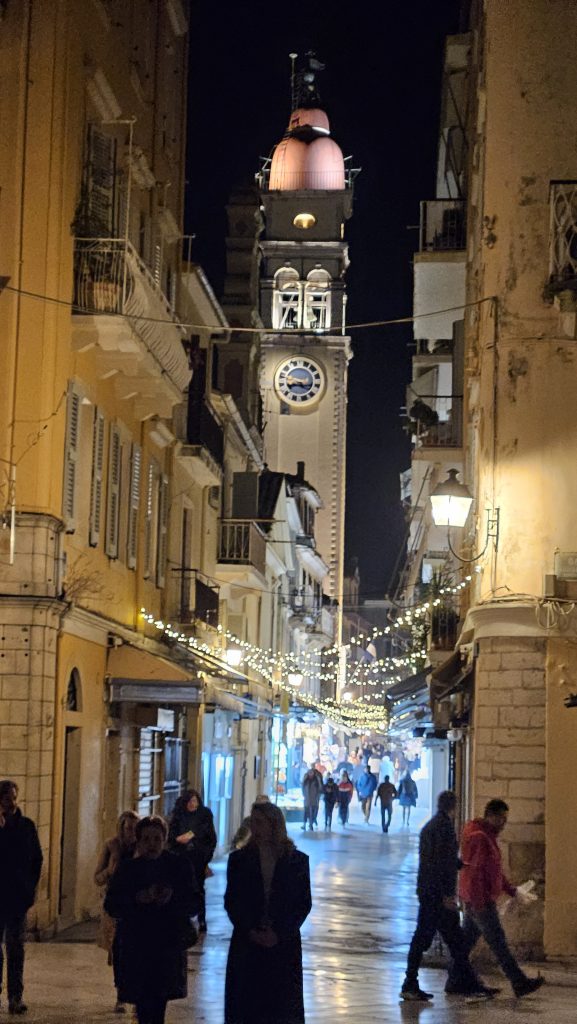
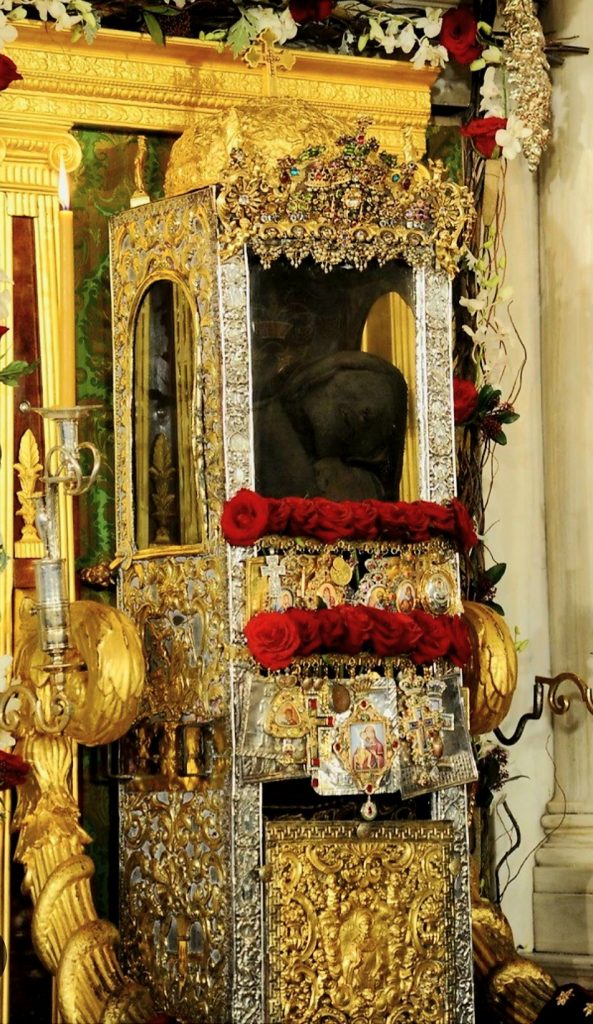
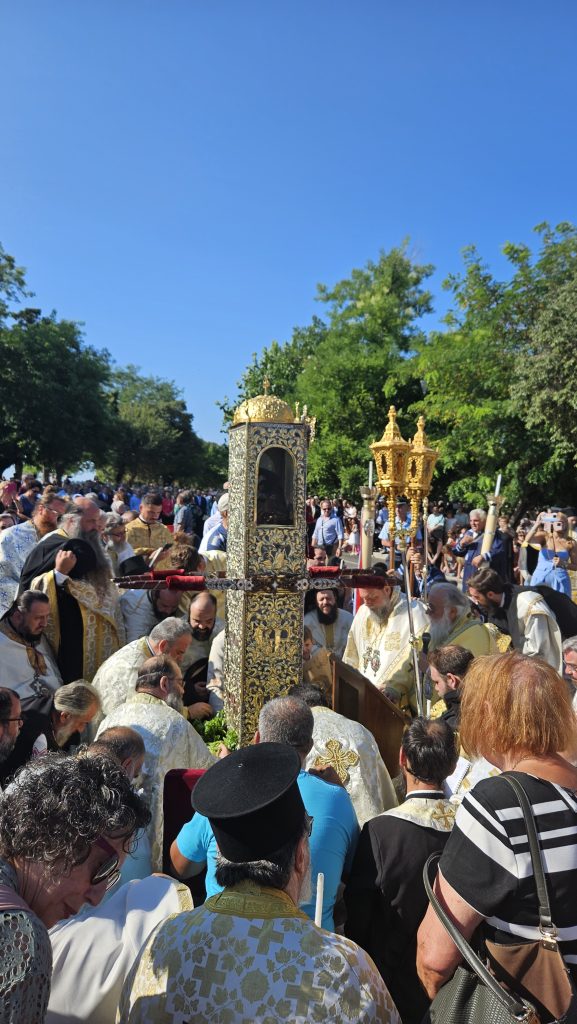
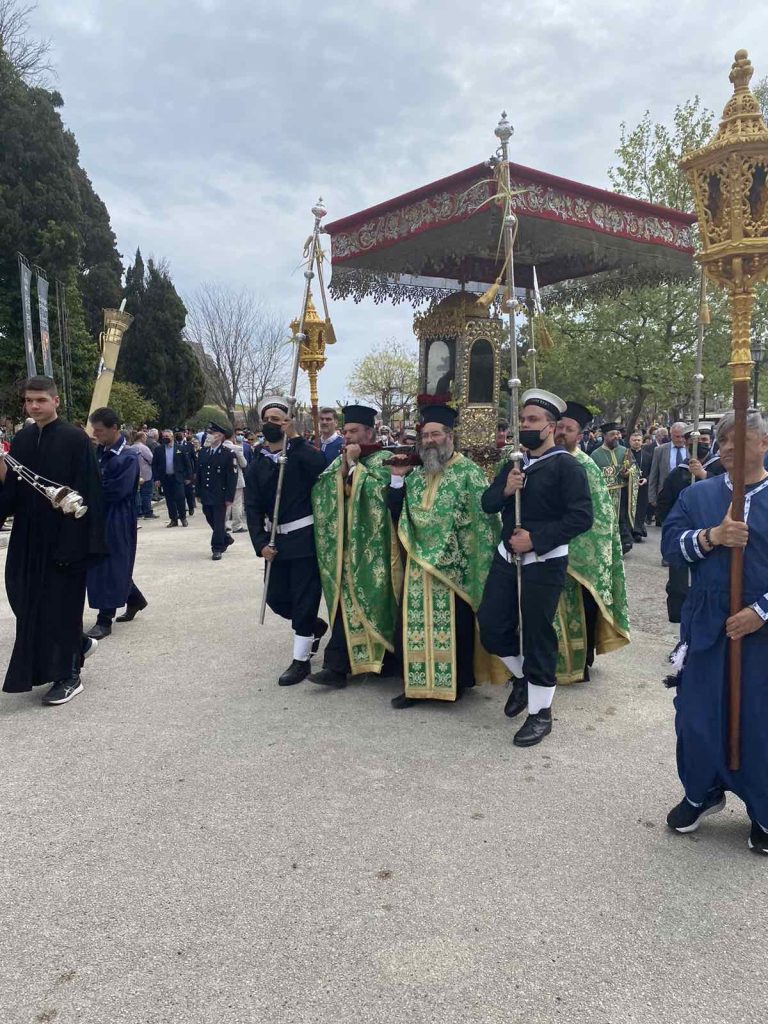
Saint Spyridon lived a long life, teaching and converting many Christians to the faith, performing numerous miracles. His final days were also marked by God's special grace. It was hot, and Spyridon was working in the fields with the reapers. Cool dew fell on his head, touching his brow. He understood and proclaimed to everyone that the time had come for him to depart to the Lord. For several more days, Spyridon of Trimythous gave instructions to all his loved ones and also prayed. It was during this prayer that he reposed (around 348). He was buried in the Church of the Holy Apostles in Trimythous. In the mid-seventh century, his relics were transferred to Constantinople, and in 1457, after the fall of Constantinople, to the island of Corfu, where they are kept to this day in the Cathedral of St. Spyridon in the center of the old city. The relics are opened to the faithful several times a day, at strictly defined hours. Since the arrival of the holy relics of Spyridon on the island of Corfu, many miracles have occurred and continue to occur. The most famous and global miracles of the salvation of Corfu from famine, plague, and Turkish sieges are celebrated with magnificent religious processions.
To learn more about the life and miracles of St. Spyridon, venerate him To see the holy relics and visit the numerous monasteries and shrines of Corfu, book a tour with our agency, Astera Travel Corfu. +306944315190
Send feedback