Saint Paisos and the Island of Corfu
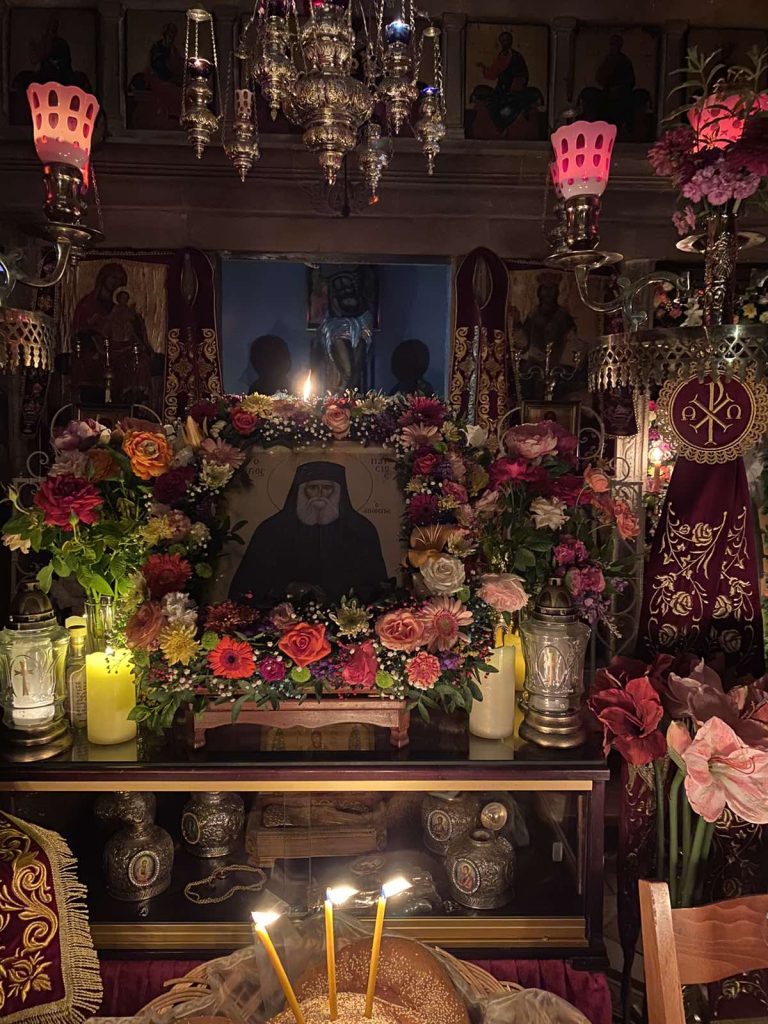
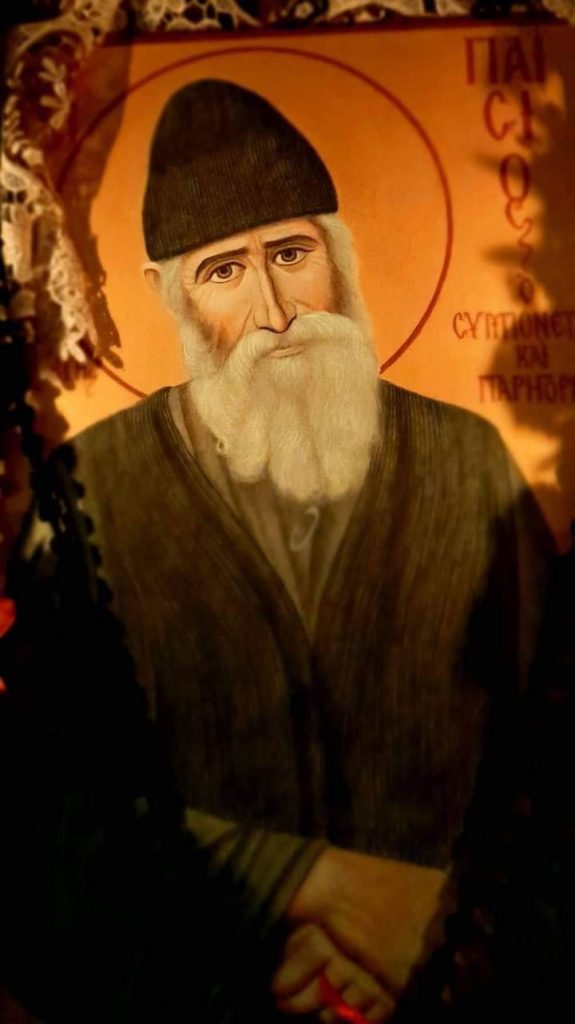
Few people know that the life of Saint Paisios (the Athonite) is closely connected with the island of Corfu (Kerkyra).
Chronology
- A ship carrying Greek refugees from the region of Smyrna in Asia Minor, including the family of Saint Paisios, then an infant, dropped anchor in Corfu. For a time, all the passengers lived in quarantine in the old fortress, after which they were distributed throughout Greece. The family of Saint Paisios was sent to the city of Konitsa in mainland Epirus, where Saint Paisios spent his childhood, youth, and early monastic years at the Stomion Monastery.
- In 1958, Saint Paisios visited Corfu, where he discovered the relics of Saint Arsenios the Cappadocian and transported them to the Monastery of Saint John the Baptist in Sourroti near Thessaloniki. Saint Arsenios was on the same ship with the refugees, but fell ill and died during quarantine. He was buried in the Garitsa city cemetery, not far from the modern airport.
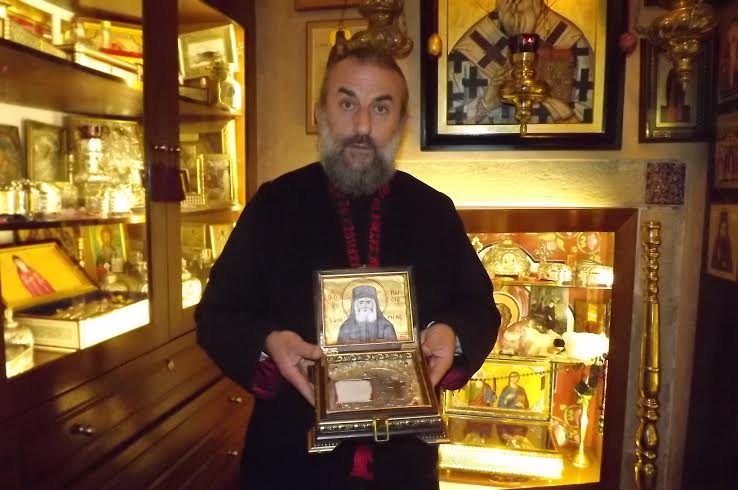
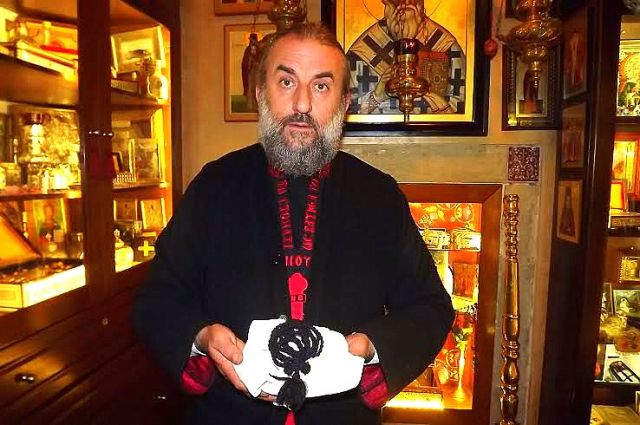
- An elder, monk Arsenios, lived on Corfu for many years. In his youth, he had fought alongside Saint Paisios during the war. He married, raised sons, and after his wife passed away, he became monk Arsenios and lived at the Platitera Monastery on Corfu. Throughout his life, monk Arsenios maintained contact with Saint Paisios; they corresponded and communicated. Monk Arsenios's family reverently preserves Saint Paisios's personal belongings, including the saint's cap and staff. 4. Schema-Archimandrite Polycarp (Zervos), abbot of the Monastery of the Holy Mother of God Kassopitra, lives in Corfu. He lived on Mount Athos from 1986 to 1991 in a cell located next to Panagouda, the cell of Saint Paisios, and communed daily with Saint Paisios. The Kassopitra Monastery houses numerous relics associated with Saint Paisios.
- The active Monastery of the Transfiguration of the Lord (Pantokrator) is located in Corfu in the Agro region, in the village of Saint Athanasios. The abbess of the monastery is Schema-Abbess Efimia (Kokova), who lived for some time in the Monastery of Saint John the Baptist in Surroti, which was spiritually formed by Saint Paisios. With the elder's blessing, she arrived on the island of Corfu, first living in the Monastery of the Holy Mother of God of Blachernae, and then founding the Pantocrator Monastery. Saint Paisios's blessing to Nun Euphemia was: "To live in the Monastery of Surroti for nine months to gain experience, and then to found a convent on Corfu, becoming its abbess." So said Saint Paisios, and so it came to pass. Currently, over 27 sisters reside in the monastery. The monastery preserves a letter written by Saint Paisios to Mother Euphemia, as well as photographs of Saint Paisios on the island of Corfu.
- On Corfu, there is the 15th-century Monastery of the Holy Mother of God of Blachernae, currently led by Schema-Archimandrite Arsenios (Peppes). Saint Paisios stayed at this monastery several times during his visits to Corfu, when Nun Euphemia and her sisters resided there.
LIST OF SACRED RELICS OF SAINT PAISIOS KEPT IN THE KASSOPITRA MONASTERY.
- The pectoral cross that Saint Paisios personally carved from wood and wore for over 20 years was personally given by the elder to monk Polycarp.
- A piece of the elder's undershirt, given to Schema-Abbot Polycarp by monk Isaiah and schema-monk Arsenios, who currently reside in Saint Paisios' cell, Panagouda.
- A white kerchief, washed with the sweat of Saint Paisios, which he used to wipe his face four days before his blessed death.
- Hairs from the saint's head.
- A lamp wick
- A small wooden cross, one of those he made and gave to pilgrims for blessing.
- Threads from the saint's jacket
- A 300-knot rosary, which he prayed through constantly.
- A 33-knot rosary, worn down by prayer.
- An icon of the Ascension, which was kept in the elder's cell above his bed.