Paxos & Anti Paxos
Paxi (or Paxos), the smallest island of the seven Ionian Islands, is located 10 miles south of Corfu.
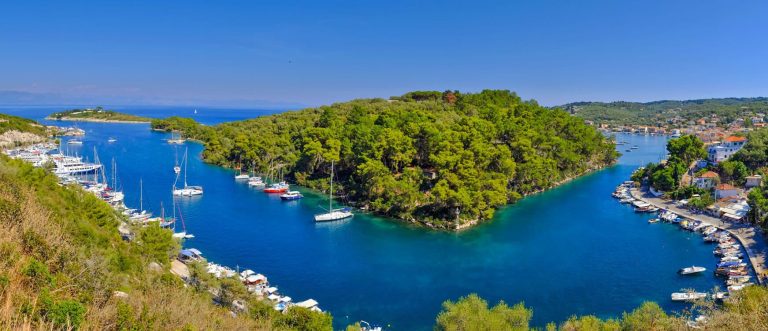
The island can be described as a blooming garden, densely covered with ancient olive groves planted during the Venetian rule, tall pine trees and an abundance of wild flowers. The dense vegetation descends to numerous (more than thirty) pebble beaches on the east coast and the impressive cliffs of the west coast. The sea will amaze you with its bright turquoise shades, and due to the depth and rocky seabed, the water is crystal clear and never becomes cloudy, providing excellent visibility for lovers of snorkeling and scuba diving.
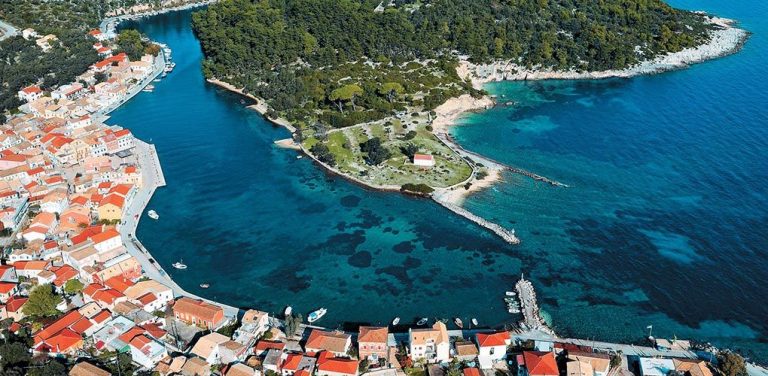
The three largest villages of Paxos are Gaios (the main port) and Loggos, facing east, and Lakka at the northern tip of the island.
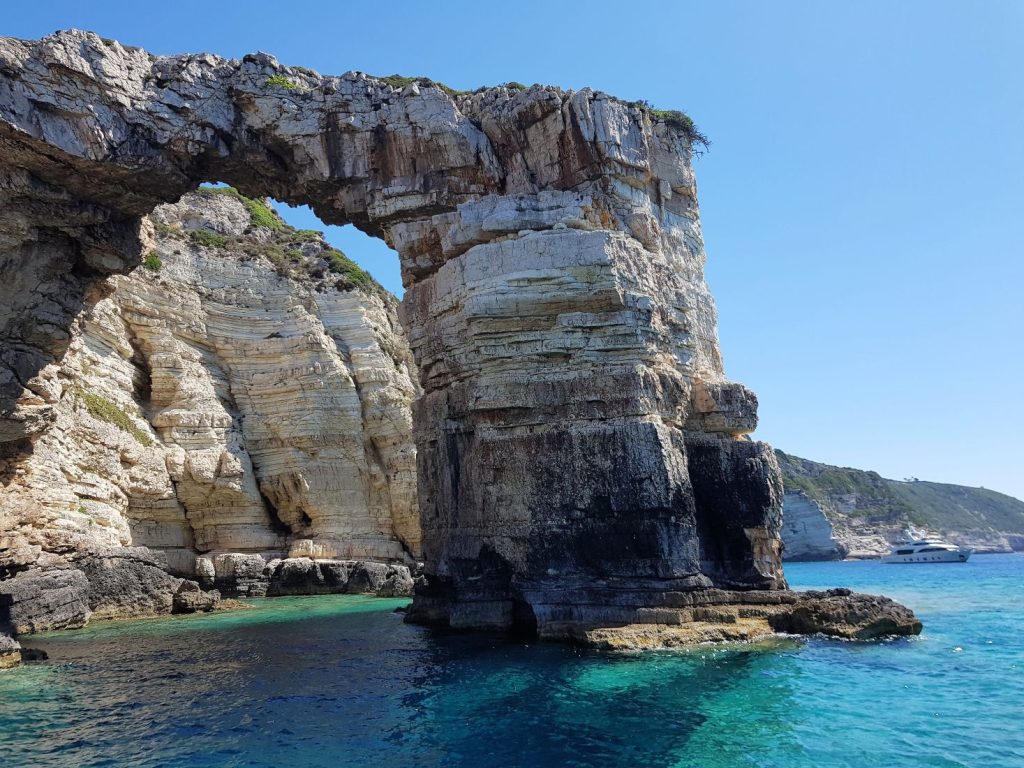
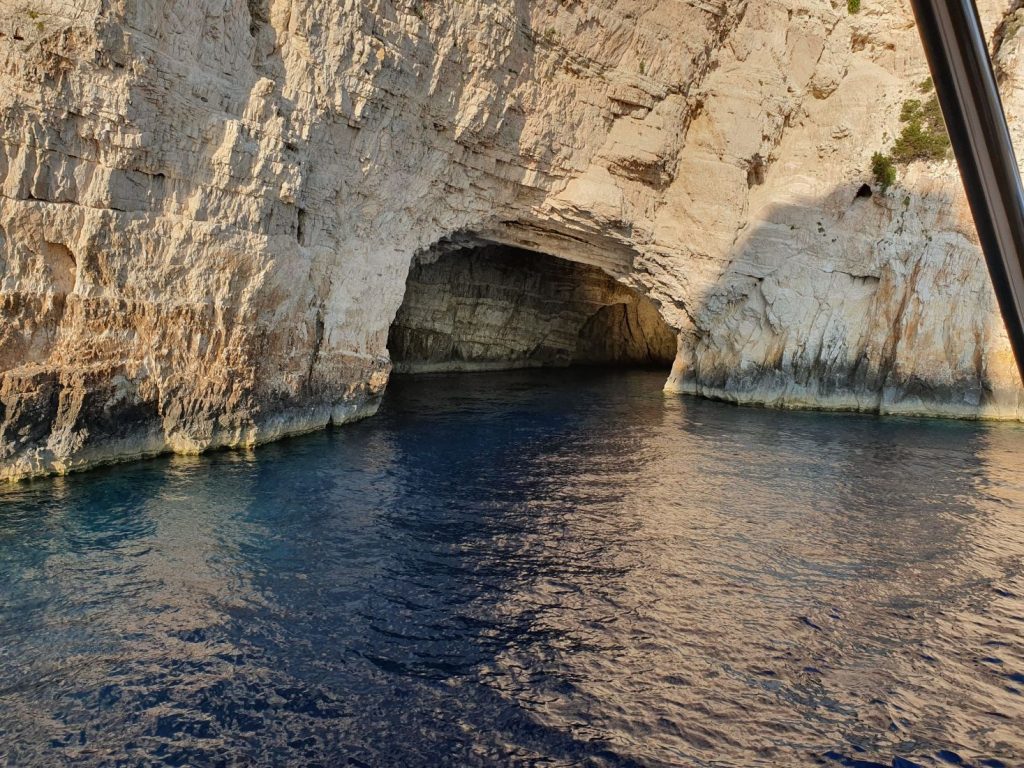
Paxi Island is also famous for its giant sea Blue Caves, named so because of the contrast between the steep white cliffs and the crystal clear bright sea.
Antipaxos (or Antipaxos), a small island located just one mile off the southern tip of Paxos, has only about 30 permanent residents and two of the most beautiful sandy beaches in the Mediterranean, Vrika and Voutoumi, which are often compared to the beaches of the Caribbean. The island is surrounded by greenery of cypresses, cedars, and myrtle bushes. Unlike Paxos, grapes are mainly grown here, and local products produce a dark and sweet wine, which is very popular, but difficult to find due to the limited supply.
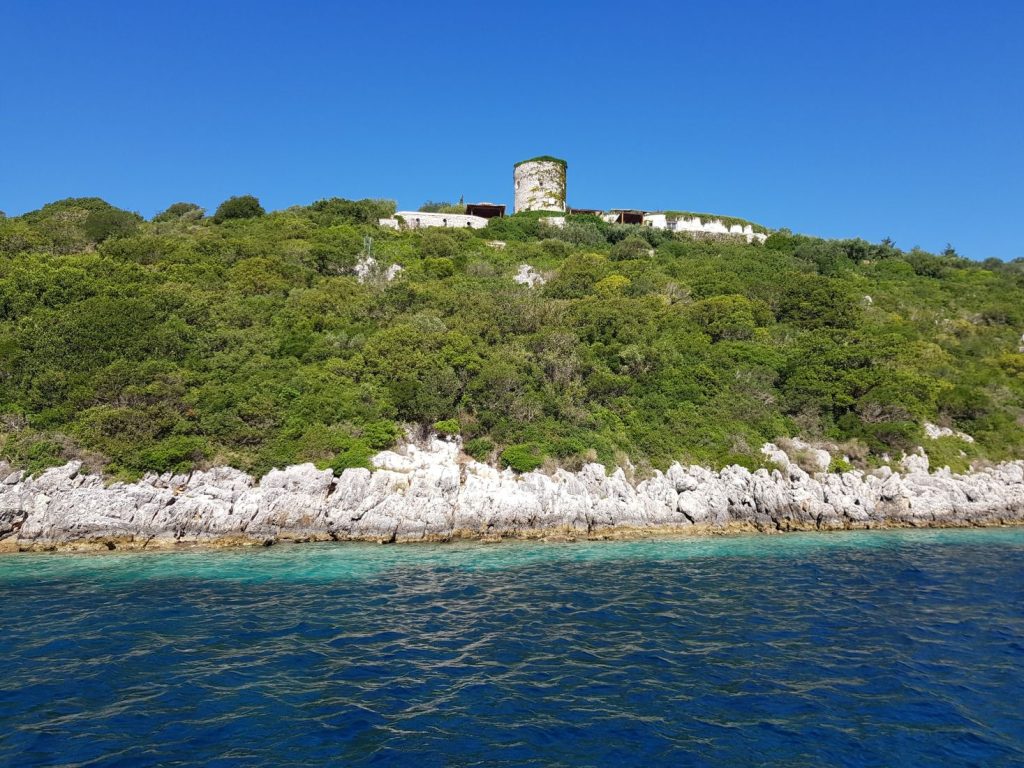
Both islands are ideal for visiting by boat (you can rent a small boat) or on foot. The southern and western coasts are dotted with grottoes, coastal caves and tiny deserted islands, while on land you can visit uninhabited villages, ancient fortresses, monasteries and lighthouses.